HRT- a winding road to… somewhere?
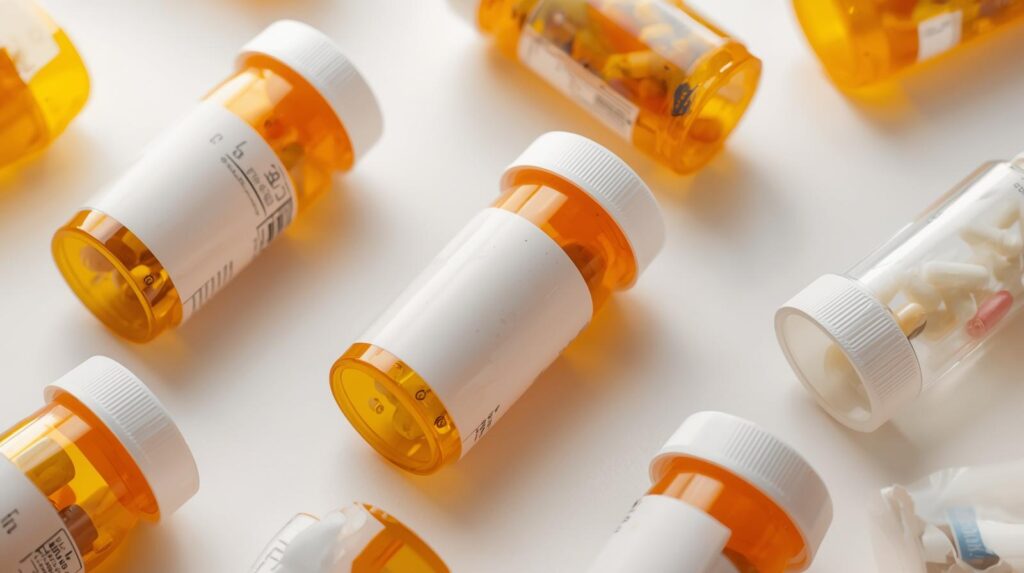
Technically, my first foray into HRT started with fertility treatments in my early 30s. Treatments didn’t work, the aftermath was hell – worst period of my LIFE!
It’s funny, hormone replacement therapy was a term I had heard before getting into the swing of perimenopause, but NOBODY tells you about what it is or how it works until you need it, at least in my experience. I’ll never forget trying it again in my early 40s when some of my hormone levels were those of a woman post-menopause. Tried a low-dose birth-control pill, then, since that worked, tried a higher dose – why not? Boom – blood clot. Hormones yanked immediately.
Most recently, I had a progesterone pill prescribed to me for hot flashes and night sweats that landed me in the ER due to GI complications. Ironically, it was me that figured out what the issue was, not my doctor’s office. It was also me that recommended the non-hormonal replacement that’s working for me now. Ironically, I’m not the only woman I know learning from my own painful experiences when dealing with HRT. I have friends with similar horror stories – excessive bleeding, rage due to doses being too high or low, some doctors happy to prescribe testosterone while others won’t due to lack of FDA guidelines for women, insurance not covering certain treatments…UGH!
Why, oh, fucking WHY do we have to go through all this pain to feel relief? I can’t help but to think that all of this is related to the shame associated with women, aging, and our reproductive systems. Raise your hand if getting your period was treated like a government secret (raises hand in GenX). Did you think of new and improved ways to hide your menstrual supplies at home and or school, or, God FORBID, did you ever bleed through your clothes and have to hide it?
Menstruation and menopause are MEDICAL issues, ladies. They’re not even issues- they’re a literal, vital part of life itself! So explain to me why we discuss our challenges in hushed tones, in the shadows, or in obscure parts of the internet to try to navigate it to the best of our abilities?
Bottom line is, we deserve to feel better, physically, mentally, and emotionally. In this season of life, hiding in the shadows will never give us the outcomes we want. Opening up to one another shouldn’t be brave. I look at it as part of our duty to make up for the places that society and medicine are failing us.